
A fact related to Animal Tracks can go here, and it might be a bit long.
Animal Tracks
Farm Animals that Transform Lives Around the World
Animal Tracks provides goats, chickens, pigs, or sheep—along with training and community support—to help families gain a reliable source of food, animals to breed and sell, and a business that they control.
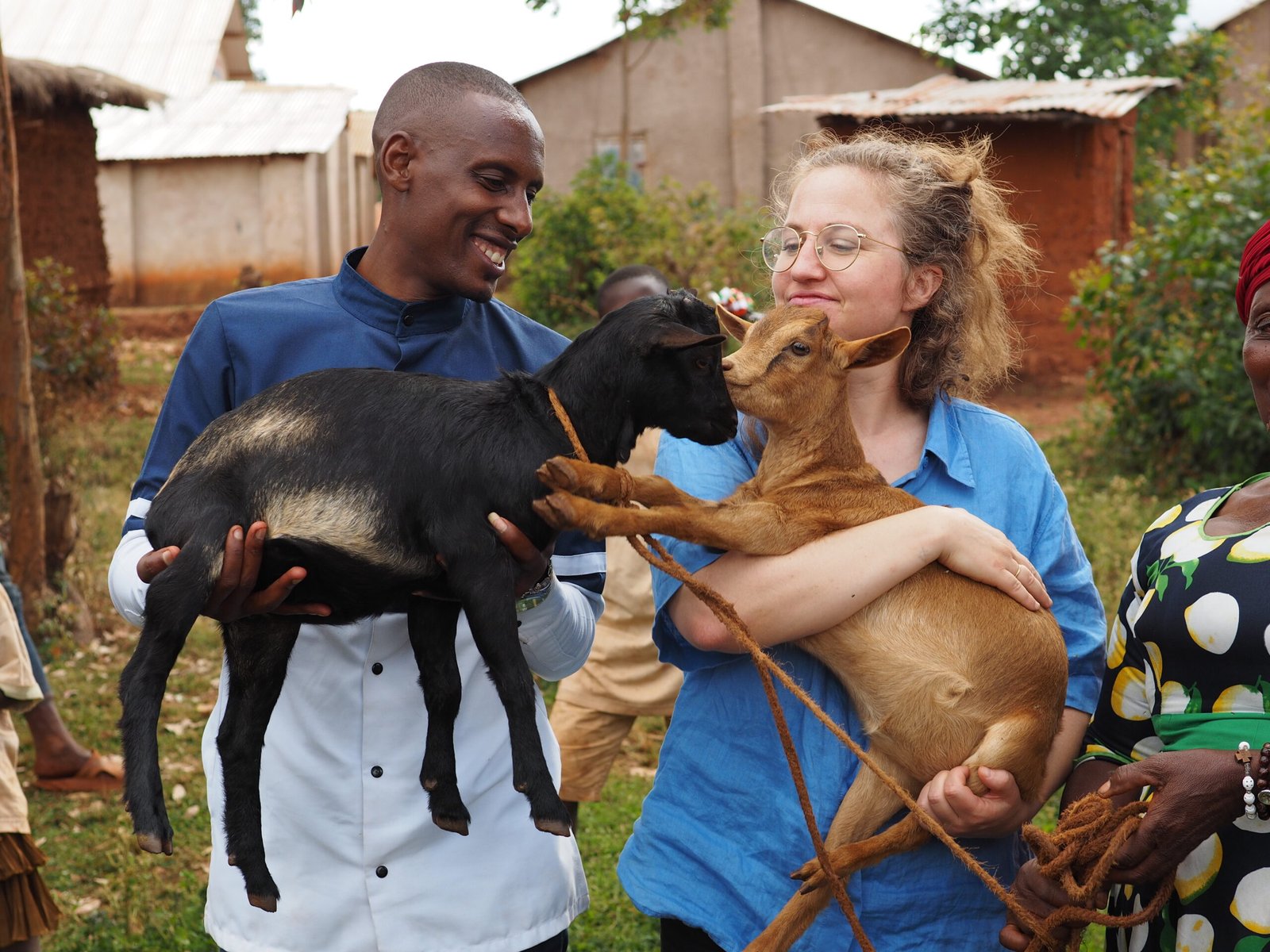
Financial Stability
___% of household earnings come from farm animals
Families sell milk, eggs, or offspring at the market. We support them with entrepreneurial training, vet care, and co-op memberships, so their small businesses succeed long term.
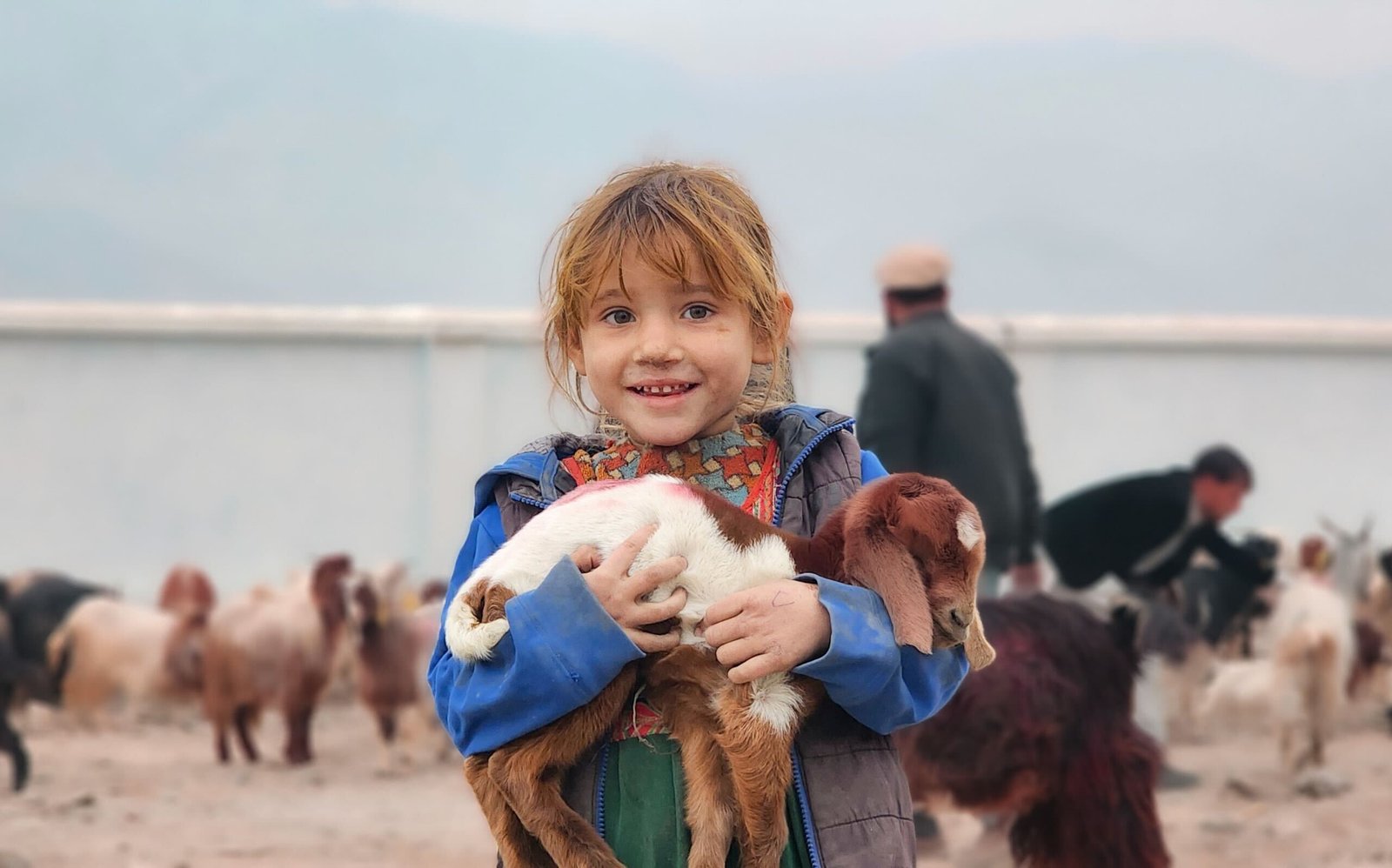
Women Empowerment
____% of women report improved confidence
Owning farm animals is especially empowering for refugee women, who are often forced to resort to sex work to survive in camps. With farm animals, they can build the independence and skills needed to provide for themselves and their families. We intentionally prioritize women-led, multi-generational households so that each animal has an exponential impact.
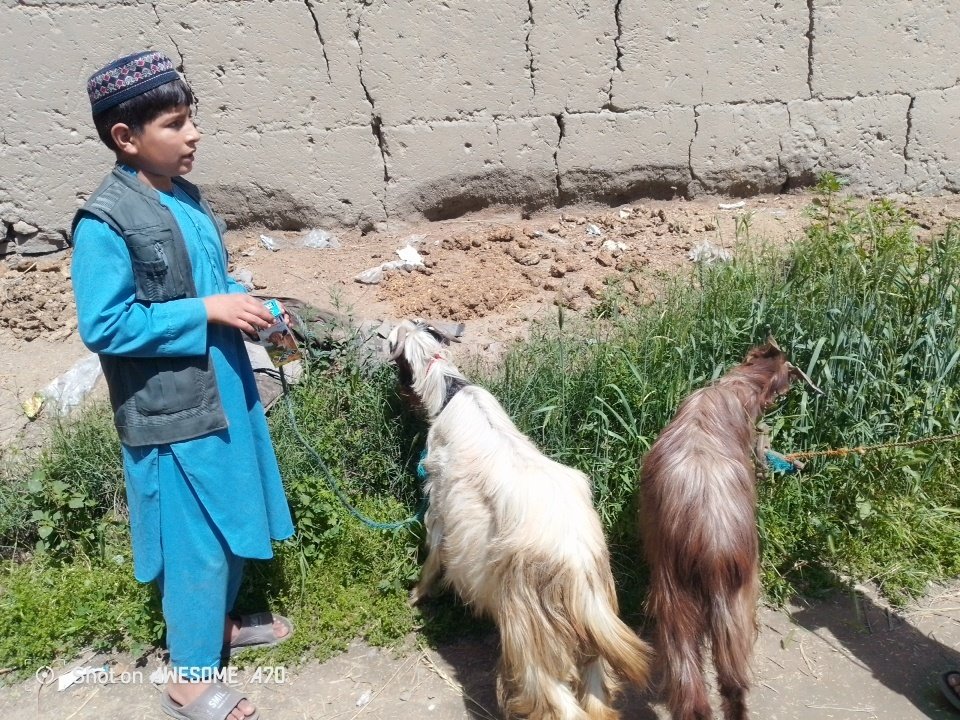
Economic Mobility
____ children able to return to school
Income from livestock helps families pay their children’s school fees, access medical care, improve housing, or buy food. This reduces reliance on aid and creates a pathway towards independence.
“Militias burned down my village and stole my goats, but now we can pay for my kids’ school fees and to buy clothes.”
— Nyabeza Nyantebuka, from the Democratic Republic of the Congo
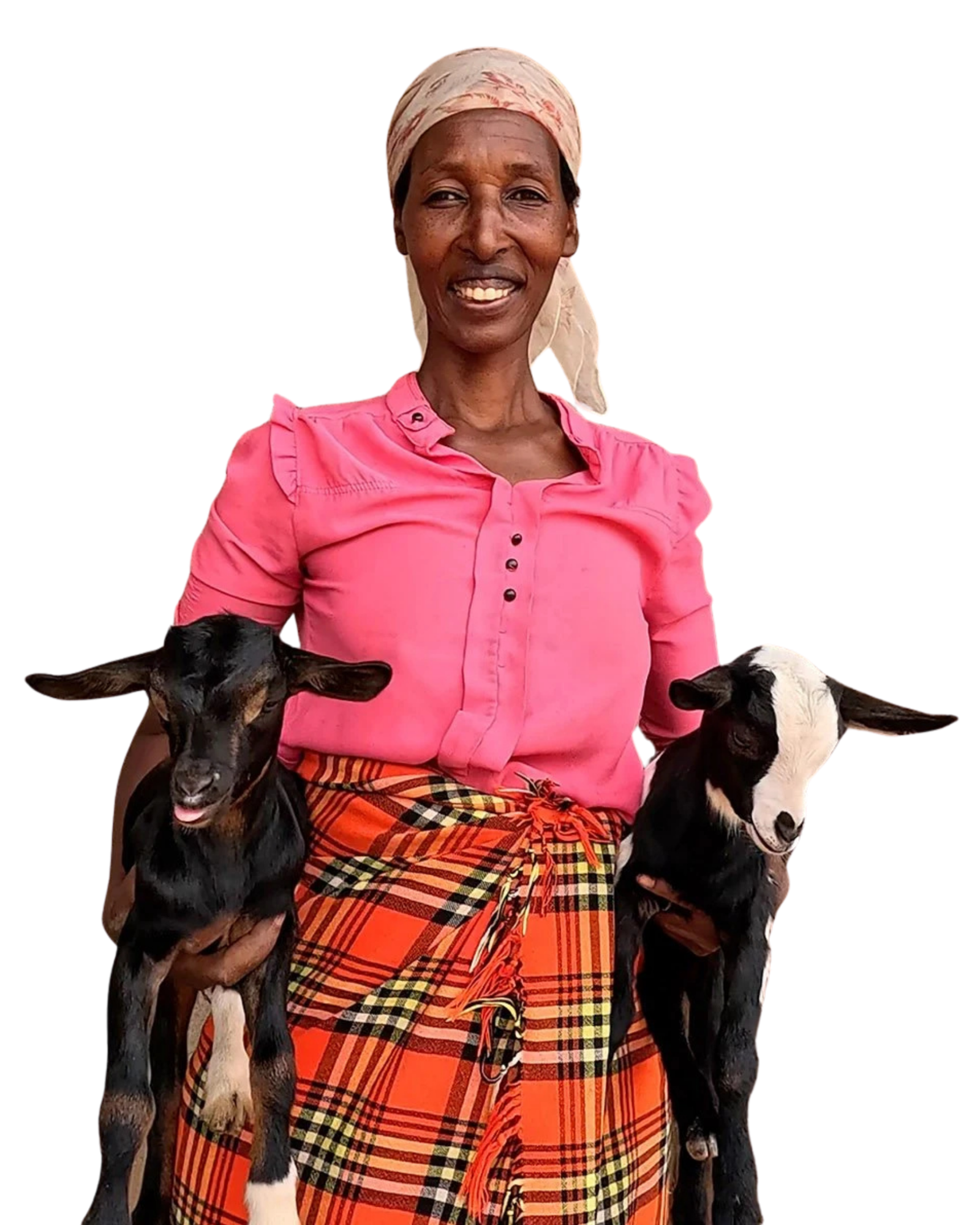
“Militias burned down my village and stole my goats, but now we can pay for my kids’ school fees and to buy clothes.”
— Nyabeza Nyantebuka, from the Democratic Republic of the Congo
Empowering Families Across the Globe
Title of This Section
Cupcake ipsum dolor sit amet marzipan gummies pie. Sweet candy canes soufflé jujubes lemon drops. Liquorice jelly beans tiramisu pie marshmallow. Croissant jelly beans caramels tart brownie jujubes.
“We know how to take care of goats. We know how to milk them, breed them, and sell them.”
For many refugee families, raising farm animals isn’t new—it’s what they’ve done for generations. But conflict forced them to flee, leaving behind their homes, their herds, and their livelihoods. In refugee camps, jobs are scarce.
Aid helps in the short term, but when we ask families what they need most, one answer keeps coming up: “We want to own farm animals again!”
And from these conversations, Animal Tracks was born.

Your donation to Animal Tracks changes lives:
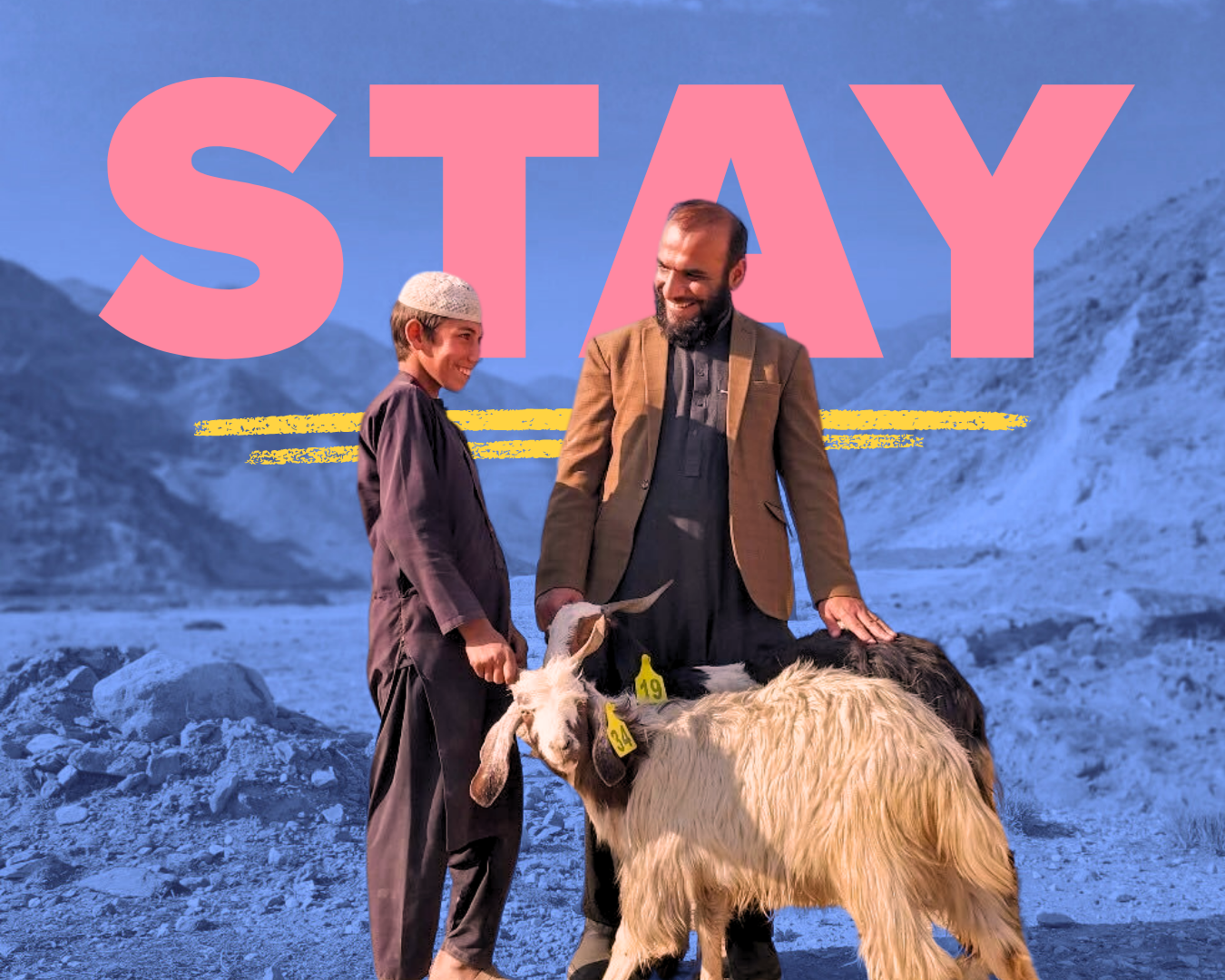
Text Here
Cupcake ipsum dolor sit amet muffin sweet roll. Tart cupcake caramels lollipop candy toffee. Ice cream croissant cheesecake fruitcake marzipan cheesecake.
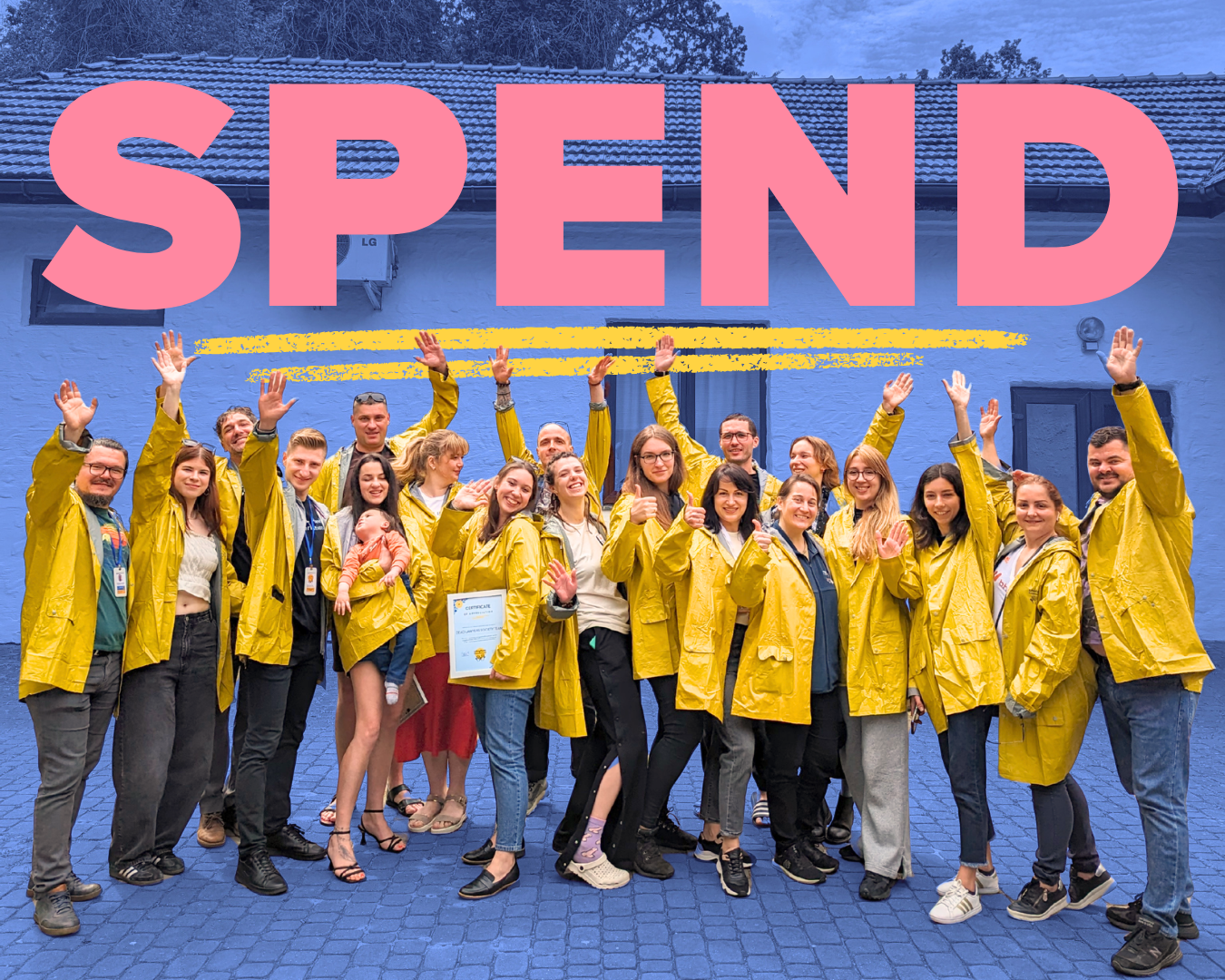
Text Here
Cupcake ipsum dolor sit amet muffin sweet roll. Tart cupcake caramels lollipop candy toffee. Ice cream croissant cheesecake fruitcake marzipan cheesecake.
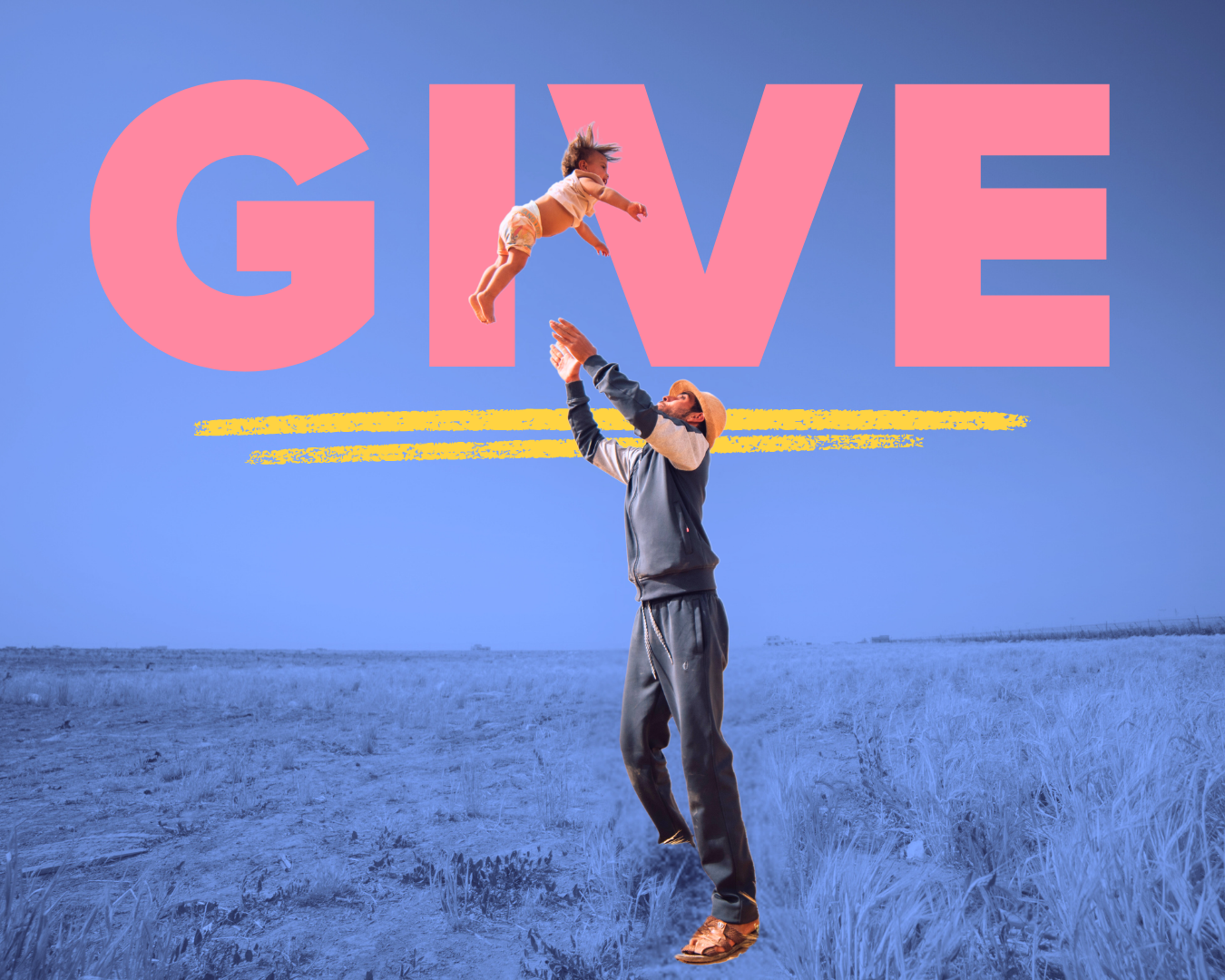
Text Here
Cupcake ipsum dolor sit amet muffin sweet roll. Tart cupcake caramels lollipop candy toffee. Ice cream croissant cheesecake fruitcake marzipan cheesecake.
FAQ
What do families do with goats?
Families utilize goats to provide additional income. How depends on the region where they are distributed.
In Jordan, we see families selling goat milk and products made from goat milk. They also sell male baby goats (but keep the females to grow their herds). We distribute Shami goats (also fittingly known as Damascus goats), a friendly breed native to the Middle East. They are prolific milk producers—a female Shami goat can produce between 350 to 650 liters of milk each year.
In Uganda, Congolese refugees don’t consume goat milk. Instead, they sell goats for meat. We distribute Mubende goats, a well-adapted goat breed that is right for the climate, already vaccinated, 1 to 3 years old, and most of them already pregnant.
What do families do with chickens?
Families utilize chickens to generate additional income. Some chickens are bred as egg layers. We distribute the Saso breed, which is native to India but thrives in Uganda and is likely to yield approximately 75% more profit than the local breed. Families breed other chickens for meat as broiler chickens.
What do families do with pigs?
Families breed and sell pigs to generate additional income. In Uganda, there are countless roadside BBQ stands selling pork dishes.
How did Animal Tracks start?
Animal Tracks (originally called Gather for Goats) was born in 2017, when Hayley, LHI’s Founder & CEO, was distributing aid supplies to Syrian refugees in Jordan. When Hayley, who speaks Arabic, asked people what they needed, the response was overwhelmingly, “goats!”
Many families who fled to Jordan are Bedouin and have been cultivating livestock for generations. But when the Syrian civil war broke out in 2011, families had to leave everything behind, including their herds—some of which numbered in the hundreds.
So we got to work. In collaboration with local experts and refugee communities, we launched Animal Tracks—starting with Shami goats for Syrian families in Jordan. Since then, we’ve followed the Animal Tracks to so many more places, helping even more families across different regions rebuild their lives with goats, chickens, and pigs.
Read Animal Tracks Stories
From Displacement to Independence: How Goats are Rebuilding Lives in Kenya
From the DRC to Burundi: Surviving and Reclaiming Light
Animal Tracks: Rebuilding with Syrian Refugees in Jordan
Nyabeza’s Story: Reclaiming Her Livelihood
Read Animal Tracks Stories
From Displacement to Independence: How Goats are Rebuilding Lives in Kenya
From the DRC to Burundi: Surviving and Reclaiming Light